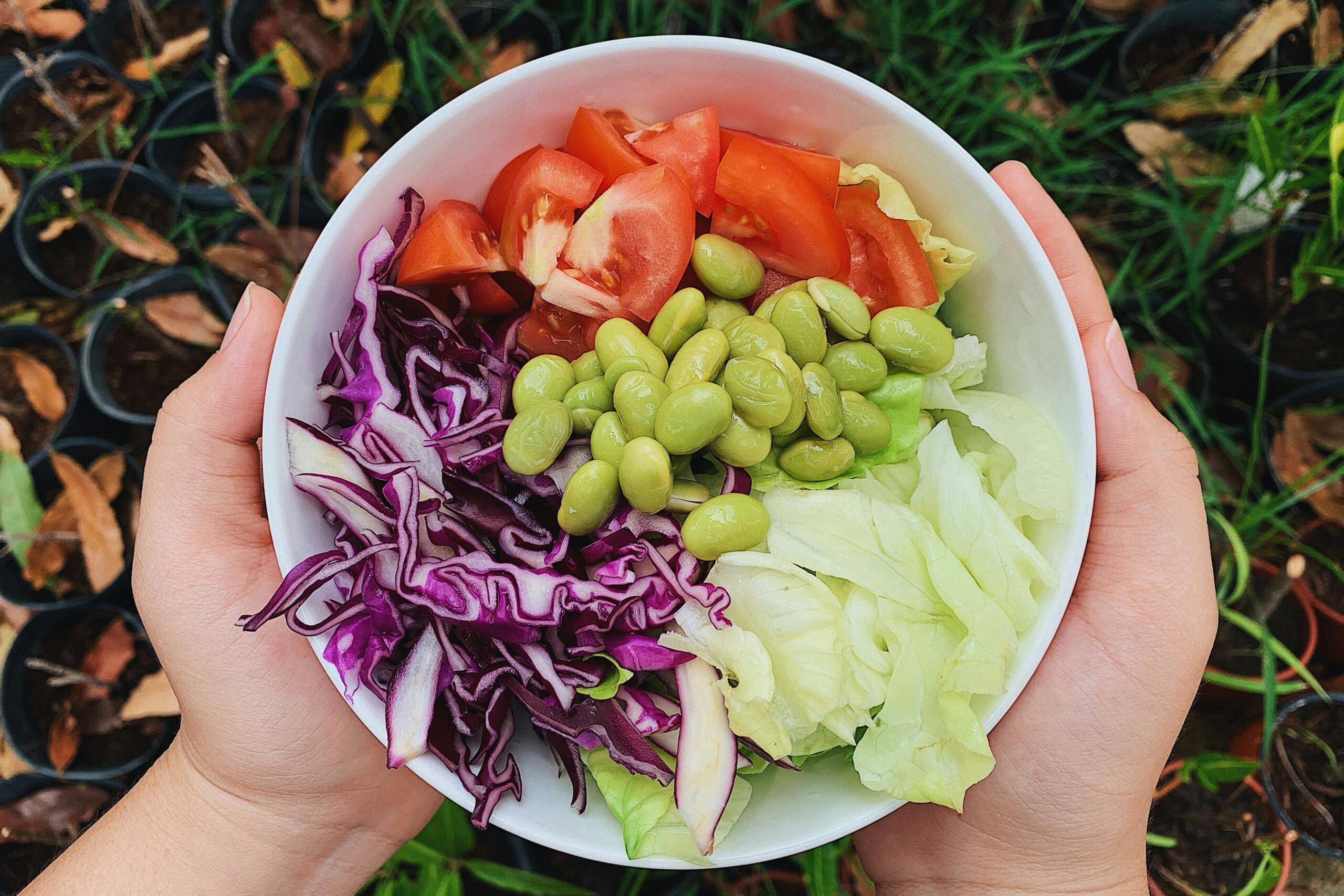
Why Nutrition Matters in Older Adulthood
As we age, our bodies change in ways that affect nutritional needs, appetite, digestion, and physical ability. A thoughtful approach to nutrition and wellness supports energy, immune function, mobility, cognitive health, and independence. This post outlines practical, evidence-informed strategies for meal planning, dietary priorities, safe physical activity, and wellness programs tailored to older adults.
Key Nutritional Priorities
- Protein: Older adults need adequate protein to preserve muscle mass and strength. Aim for protein at each meal—lean meats, fish, eggs, dairy, beans, and tofu are good sources.
- Fiber: Helps with digestion and can reduce constipation. Include whole grains, fruits, vegetables, nuts, and seeds.
- Calcium and Vitamin D: For bone health; include dairy or fortified plant milks, leafy greens, and safe sun exposure or supplements as advised by a provider.
- B Vitamins and Iron: Many older adults have decreased absorption of B12 and may need monitoring. Iron needs may change with health status—check with a clinician.
- Hydration: Thirst sensation can decline with age. Encourage regular water intake and include hydrating foods like soups and fruits.
Meal Planning Tips
Good meal planning balances nutrient density with taste and ease. Consider these practical suggestions:
- Plan simple menus for the week that include a protein, vegetable, whole grain, and fruit.
- Cook larger batches and freeze single portions to save time and avoid skipped meals.
- Use herbs and spices to enhance flavor when salt needs to be limited.
- Adapt texture for chewing or swallowing difficulties—steamed vegetables, ground meats, smoothies, or purees as needed.
- Monitor weight and appetite changes; unintended weight loss should prompt evaluation.
Sample One-Day Meal Outline
Breakfast: Oatmeal with milk, chopped nuts, and berries. Snack: Yogurt with honey. Lunch: Grilled salmon, quinoa, steamed spinach. Snack: Apple slices with nut butter. Dinner: Turkey and vegetable stew, whole-grain roll. Fluids: Water, herbal tea, and broth-based soups throughout the day.
Physical Activity and Mobility
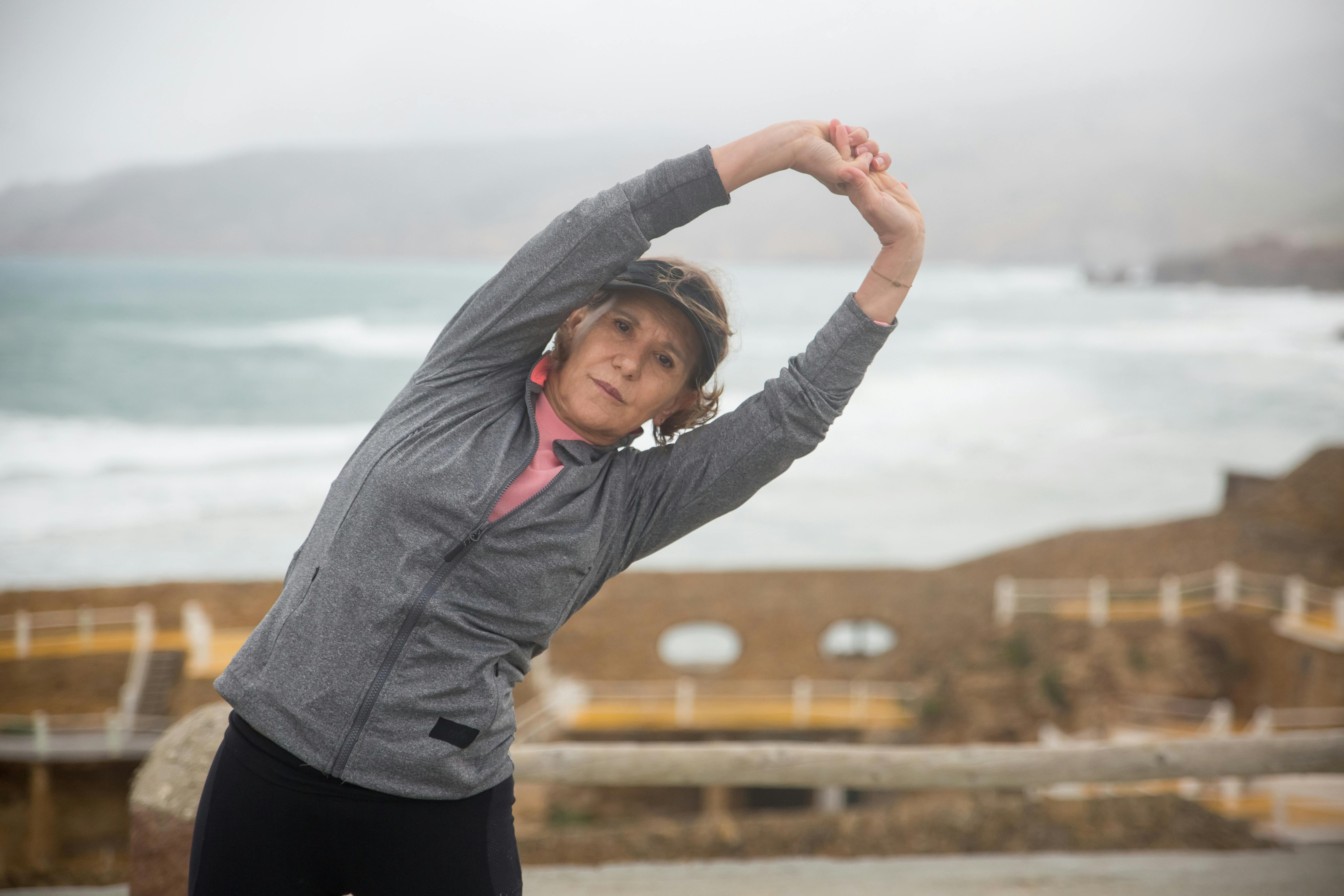
Physical activity complements good nutrition by maintaining muscle, balance, and cardiovascular health. Recommended approaches for older adults include:
- Strength training: Two or more days per week to preserve muscle mass—bodyweight exercises, resistance bands, or light weights.
- Balance and flexibility: Tai chi, yoga, or specific balance exercises reduce fall risk.
- Aerobic activity: Aim for regular moderate activity like brisk walking, swimming, or cycling adjusted for ability.
- Always check with a healthcare provider before starting new or intensive exercise, especially if there are chronic conditions.
Wellness Programs and Community Resources
Many communities offer senior-friendly wellness programs: fitness classes at community centers, meal delivery services, congregate meal sites, chronic disease self-management workshops, and social groups. These programs provide nutrition education, physical activity opportunities, and social engagement, which together support holistic well-being.
Working with Professionals
Regular check-ins with a primary care provider, registered dietitian, physical therapist, or occupational therapist help tailor plans for chronic conditions such as diabetes, heart disease, kidney disease, or mobility limitations. Medication reviews are important because some drugs affect appetite, absorption, or nutrient status.
Practical Shopping and Kitchen Tips
- Choose ready-to-eat or pre-chopped produce if mobility or vision is limited.
- Use nondominant hand tools and adaptive kitchen gadgets to reduce effort and increase safety.
- Keep a list of nutrient-dense pantry staples: canned beans, canned fish, whole grains, nuts, and low-sodium broths.
Adapting for Chronic Conditions
Tailor dietary choices to medical needs—e.g., carbohydrate monitoring for diabetes, sodium reduction for hypertension, or protein adjustments for kidney disease. A registered dietitian can create individualized meal plans that balance restriction with nutrient adequacy.
Final Thoughts
Nutrition and wellness for seniors is about practical, sustainable habits that support strength, independence, and quality of life. Small, consistent changes—like prioritizing protein, staying hydrated, moving safely every day, and engaging with community resources—can make a meaningful difference. If you or a loved one are facing specific health or functional challenges, seek personalized advice from healthcare professionals.
Would you like a printable one-week meal plan or a list of local senior wellness programs? Leave a comment below and I can follow up with resources tailored to your area and needs.



Margaret L.
Thank you for the clear tips. I especially appreciated the meal prep and texture advice for my mother who has chewing difficulties.
Dr. Samuel Ortiz
Good overview. I’d add that monitoring vitamin B12 and vitamin D levels regularly can be very important for older adults on certain medications.
Karen P.
Could you share a simple resistance band routine for beginners? I’m interested in gentle strength training.