
Memory Care and Dementia Support
Supporting residents with dementia requires a thoughtful combination of specialized programs, therapeutic activities, and a person-centered approach. In this overview we describe the types of memory care programs commonly used in residential settings, the evidence-based therapeutic activities that help maintain function and quality of life, and practical approaches staff and families can adopt to create a safe, meaningful daily experience.
Specialized Memory Care Programs
Memory care programs are structured to meet the unique cognitive, emotional, and safety needs of people living with Alzheimer’s disease and other dementias. Core program elements include:
- Secure but homelike environments: Design features reduce confusion and fall risk while preserving dignity and autonomy.
- Staff trained in dementia care: Regular training in communication, behavioral de-escalation, and person-centered techniques.
- Individualized care plans: Care plans built from life history, functional assessment, and personal preferences, updated regularly.
- Consistent daily routines: Predictable schedules that reduce anxiety and support orientation.
Therapeutic Activities and Approaches
Therapies aim to preserve abilities, reduce distressing behaviors, and improve social connection. Common approaches include:
- Music therapy: Familiar songs can awaken memories, reduce agitation, and support engagement even in later stages.
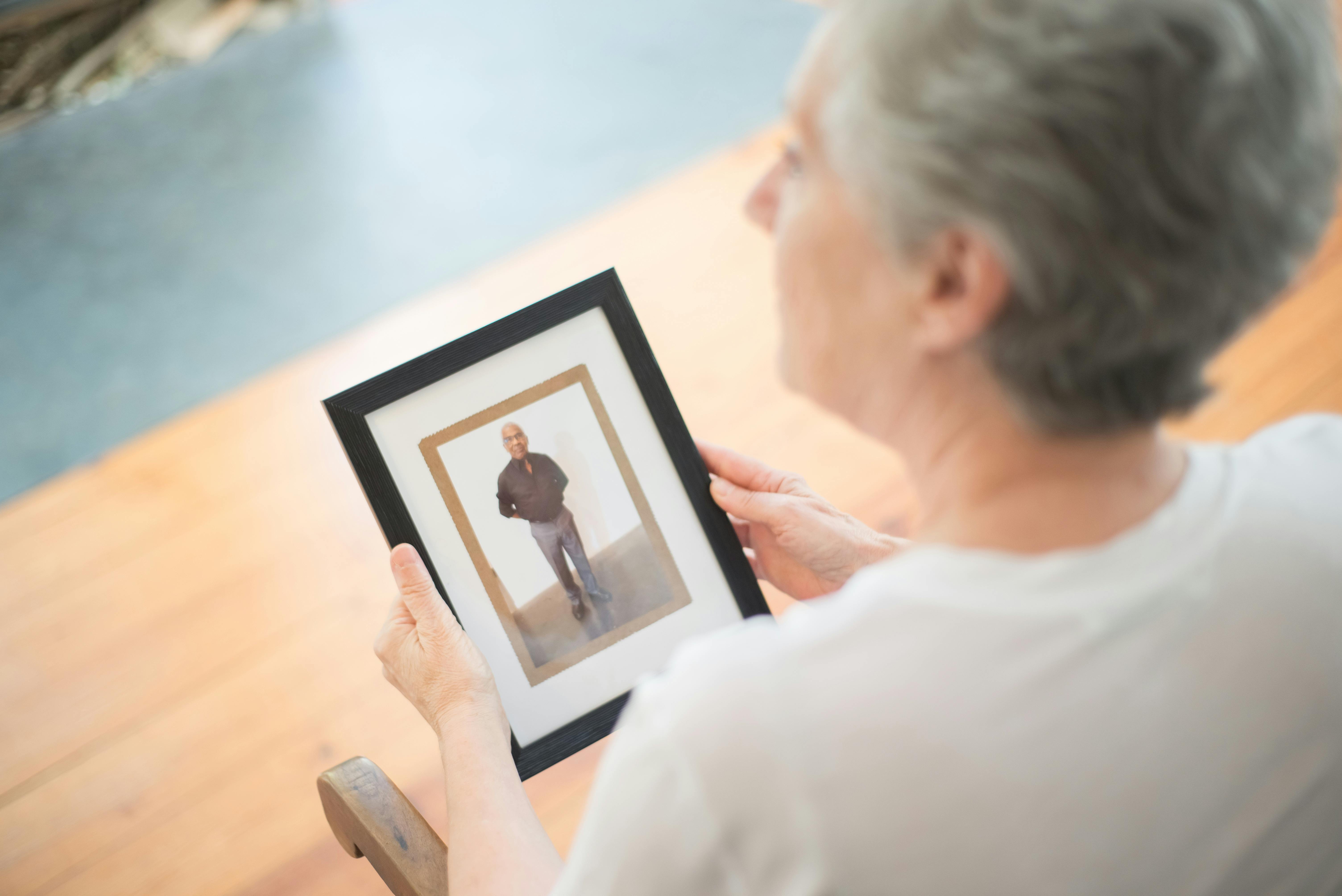
- Reminiscence therapy: Guided conversations using photographs, objects, and stories to stimulate memory and identity.
- Cognitive stimulation activities: Gentle puzzles, word games, and group discussions adjusted to skill level to encourage mental activity.
- Art and creative expression: Nonverbal art activities support self-expression and can reduce frustration.
- Montessori-based approaches: Task segmentation, meaningful work, and choice to increase competence and reduce dependency.
- Sensory and multi-sensory rooms: Controlled sensory input for relaxation, orientation, or stimulation depending on individual needs.
- Pet-assisted therapy: Interaction with animals can lower stress and promote socialization.
Person-Centered Care: The Foundation
Person-centered care focuses on the resident as an individual rather than a diagnosis. Key practices include:
- Learning the person’s history, preferences, and routines.
- Prioritizing relationships: consistent caregivers who build trust and familiarity.
- Adapting communication style: short sentences, visual cues, validation rather than correction.
- Balancing safety with autonomy: enabling choice where possible and creating predictable boundaries where needed.
Environmental and Safety Considerations
Small, well-signposted community areas, reduced sensory overload, and clear lighting help orientation. Safety features include secure outdoor spaces, fall-prevention flooring and furniture, and discreet monitoring where necessary. Environments that mimic household routines (kitchens, gardens, activity corners) help residents participate meaningfully.
Staff Training and Interdisciplinary Teams
Effective memory care relies on interdisciplinary teams: nursing, social work, occupational therapy, recreation therapy, and chaplaincy or spiritual support. Training topics should include communication strategies, behavioral interventions, dementia stages and progression, and family engagement techniques. Regular case reviews and family meetings align care goals.
Measuring Success and Outcomes
Programs evaluate success using multiple measures: quality-of-life scales, reduction in distressing behaviors, maintenance of ADLs (activities of daily living), family satisfaction surveys, and clinical indicators like decreased hospital transfers. Small, meaningful goals—like participating in a favorite activity or improving meal intake—are often the most impactful.
Tips for Families Choosing Memory Care
- Visit multiple times at different times of day to observe routine and staff interaction.
- Ask about staff training, turnover rates, and staff-to-resident ratios.
- Request examples of individualized care plans and typical daily schedules.
- Inquire about therapeutic programming and opportunities for family involvement.
- Look for a culture of dignity: residents treated as people with a life story, not just tasks to be done.
Supporting Residents at Home and in Transition
For families caring at home or transitioning a loved one into a memory care community, continuity is vital. Share life stories, routines, favorite music, and meaningful items. Encourage gradual transitions and remain involved in care planning and visits to support emotional adjustment.
Conclusion
Memory care combines safe, familiar environments with therapeutic activities and a person-centered philosophy. When programs emphasize individualized care, meaningful engagement, trained staff, and family collaboration, residents with dementia can experience improved comfort, dignity, and connection. Choosing the right program means looking beyond checklists to the daily lived experience of residents and families.



Elaine Morris
Thank you for this clear overview. The tips for families are especially helpful — I appreciate the emphasis on visiting at different times and looking for consistent staff interactions.
Dr. Samuel Lee
Good summary of evidence-based therapies. I’d add that individualized music playlists can be particularly powerful even for residents with advanced dementia.
Carla Jenkins
What a thoughtful article. Could you share examples of questions families should ask about staff training during a tour?
Martin Perez
We recently moved my father into a memory care unit and the Montessori approach has made a real difference in his daily mood. Thanks for highlighting that.
Nadia Ali
Excellent breakdown. I’d love a follow-up post on how to create a meaningful life history book to support reminiscence therapy.